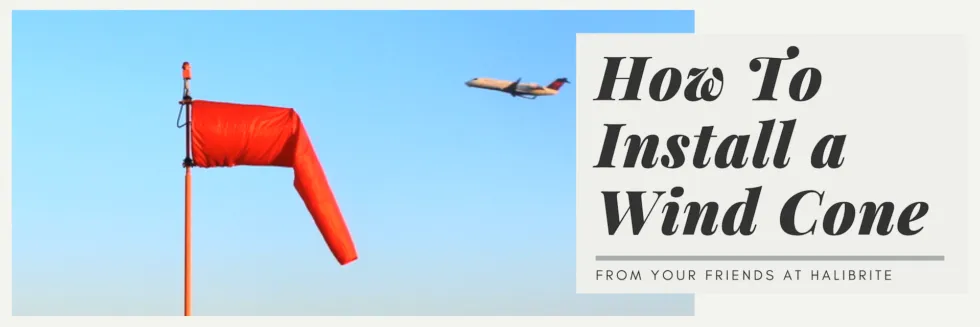
Wind cones, sometimes known as windsocks or wind direction indicators, help pilots determine wind speed and direction. Knowing these conditions is essential for a safe take-off and landing. If you own an airport, you must maintain the reliability and accuracy of your...
Airfield Lighting Insights & Guides
Expert guides, product comparisons, and FAA & ICAO compliance tips on airfield, runway, and obstruction lighting from the Hali-Brite team..
Which Is Better: Solar-Powered Wind Cone Vs. AC-Powered Wind Cone
Wind cones are not the most complicated airfield component, but you should not undervalue their importance. They tell wind speed and direction, helping pilots fly and land safely. So buying one for your airport is indeed essential. However, this begs the question:...
Rotating Airport Beacons: 100 Years of Helping Pilots at Night
The airline industry is rich in collaborative events. One of the most exciting but underrated stories is how pilots used to locate airports at night before the invention of rotating airport beacons. Here, you're going to learn how a mere bonfire acted as a catalyst...
What You Can Tell About an Airport from it’s Rotating Beacon
Table of Contents: Airport Beacon Overview Environmental Requirements Color Combinations Flashing Other interesting Airport Beacon Specifics Wrapping Up A rotating airport beacon is an essential lightning component of any airport, be it a civilian, military, or other...
Essential Guide To Wind Direction Indicators
Knowing the direction of the wind is unquestionably vital for a pilot. This information is provided by Air Trafic Control (ATC) at facilities that have an operating control tower. Pilots can also obtain similar information by requesting information on a Common Traffic...
FAA Specifications for Rotating Airport Beacons
Airport rotating beacons indicate the location of an airport by projecting beams of light spaced 180 degrees apart. Rotating beacons are required for any airport with runway edge lights. They create a "flash" similar to lighthouses, however, with Airports the flashes...
United States Airport Wind Cone Specifications
The Wind Cone specifications for airports based in the United States are set by the FAA in Aviation Circular 150/5345-27E - Specification for Wind Cone Assemblies. There are a variety of requirements and you should review the PDF linked here for complete information....
How to Install a Wind Sock
Looking at aviation products and terminology from around the world, you may be wondering: what is the difference between a wind cone and a wind sock? You could argue there are slight differences, one of which is that wind cones usually have firmer baskets rather than...
Traffic Patterns and the Segmented Circle
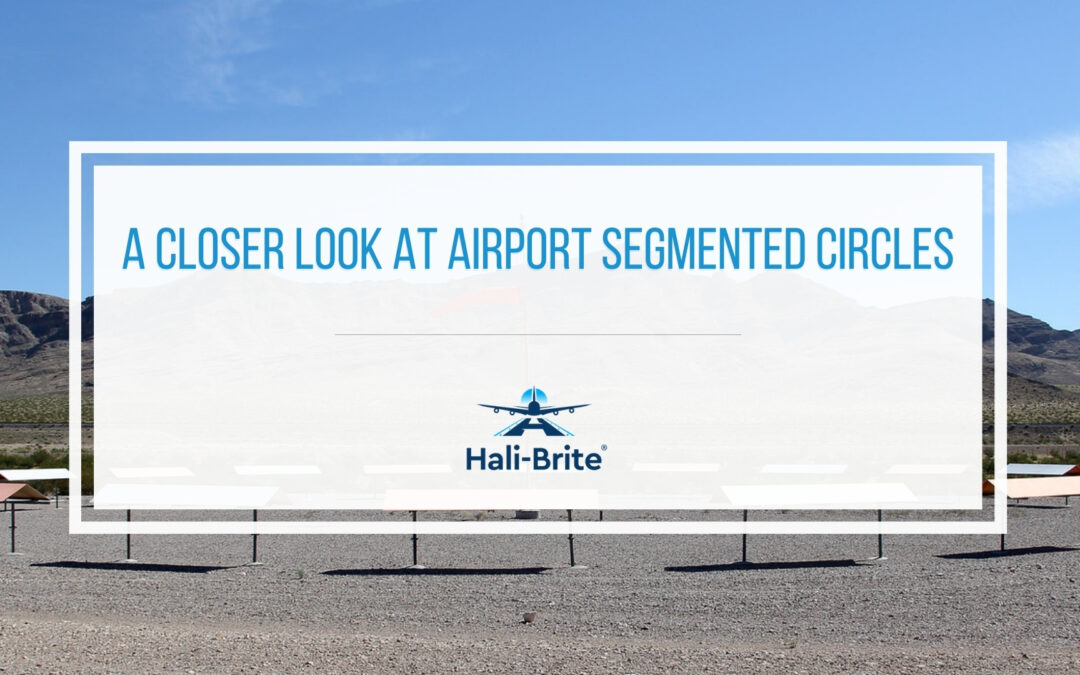
Some airfields consist of unusual markings in the form of circles made up of square segments with L-shaped lines coasting along their edges, reminiscent of crop circles viewed from above. While these patterns may seem strange, they serve a practical purpose. These odd...
The Similarities Between Airport Beacons and Lighthouses
Visual aids are imperative safety measures when it comes to any type of transportation, whether its by car, plane, or boat, which is why airports and lighthouses both utilize the power of rotating beacons. A rotating beacon is a type of visual aid, typically used at...