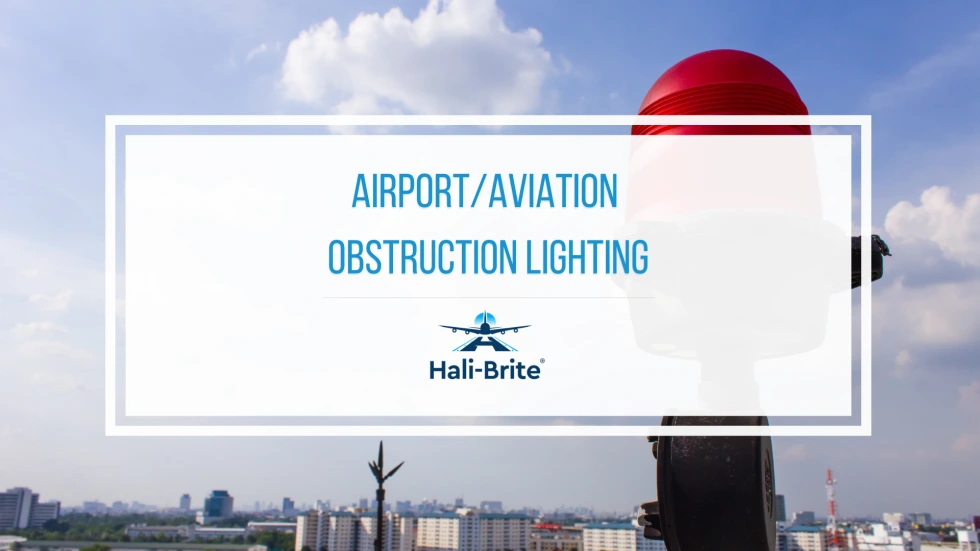
When you’re planning or maintaining structures that extend into navigable airspace, obstruction lighting isn’t optional, but a regulatory requirement. The challenge is figuring out which standards apply. When comparing ICAO vs. FAA lighting requirements,...
Aviation obstruction lights mark buildings, towers, wind turbines, and other structures that can pose a risk to aircraft, making them visible from miles away and reducing the chance of midair collisions, especially during nighttime or low-visibility conditions. To...
Airports are under increasing pressure to cut operating expenses and reduce their carbon footprint. Between soaring electricity prices, costly trenching for underground wiring, and increasing demands for sustainability, many airport operators are looking for smarter...
Aviation obstruction lights ensure the safety of aviation operations by providing clear visibility and warnings about potential hazards. The aviation industry relies on different types of obstruction lights, including red, white, and dual lighting systems, to enhance...
Airport navigational lighting aids are crucial for aviation safety as they help pilots navigate the airport environment safely and efficiently. Airport lighting systems must be certified by the Federal Aviation Administration (FAA) to ensure they meet the safety...
Tall buildings and structures pose a serious risk to airplanes and other aircraft while in flight and passing by. For this reason, building administrators are required to install aviation obstruction lighting (AOL) so pilots can detect obstacles in their path. What...