Airfield lighting keeps runways, taxiways, and approach paths safe for every aircraft that takes off or lands, especially at night or during low-visibility conditions. When these lighting systems fail, even momentarily, pilots lose important visual cues that help them...
Airport operations often face unexpected changes, including maintenance, infrastructure repairs, construction zones, and even temporary airshows or private events. In these cases, you might need reliable, high-quality equipment, but only for a limited time. But buying...
Airfield lighting ensures safe takeoffs, landings, and taxi operations, especially during nighttime or low-visibility conditions. Pilots rely on these systems to maintain situational awareness, and any disruption in performance can spell delays, cancellations, or...
Regular incandescent bulbs and LEDs are the two primary lighting options employed to illuminate runways, taxiways, and other essential areas throughout airfields. Regular incandescent bulbs have been a traditional choice for years, emitting a warm and familiar glow....
For decades, incandescent lighting has been the standard choice for illuminating airport runways, taxiways, aprons, and signage. However, with advancements in lighting technology and growing concerns about energy consumption and environmental impact, airports...
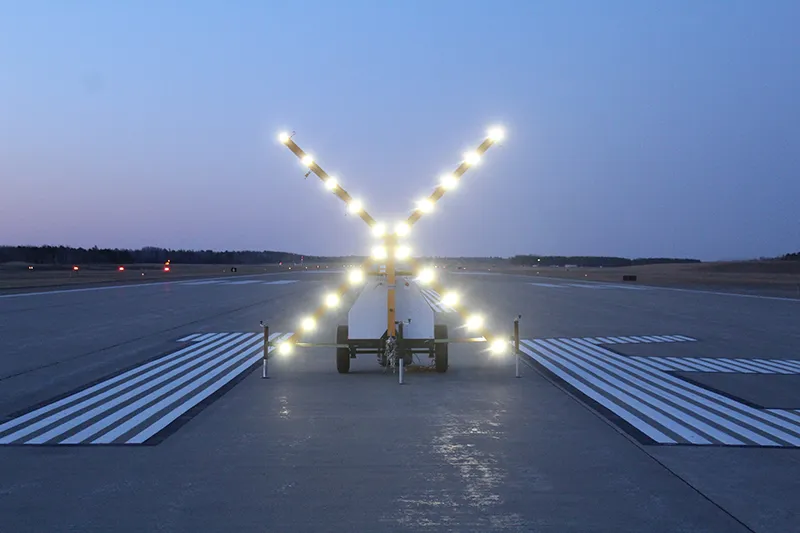
Airport markings help prevent aircraft crashes and mishaps. Pilots use airport markings to determine airport directions and avoid potential accidents caused by hazardous airport conditions, such as runway closures. Airports can utilize a lighted runway closure X for...